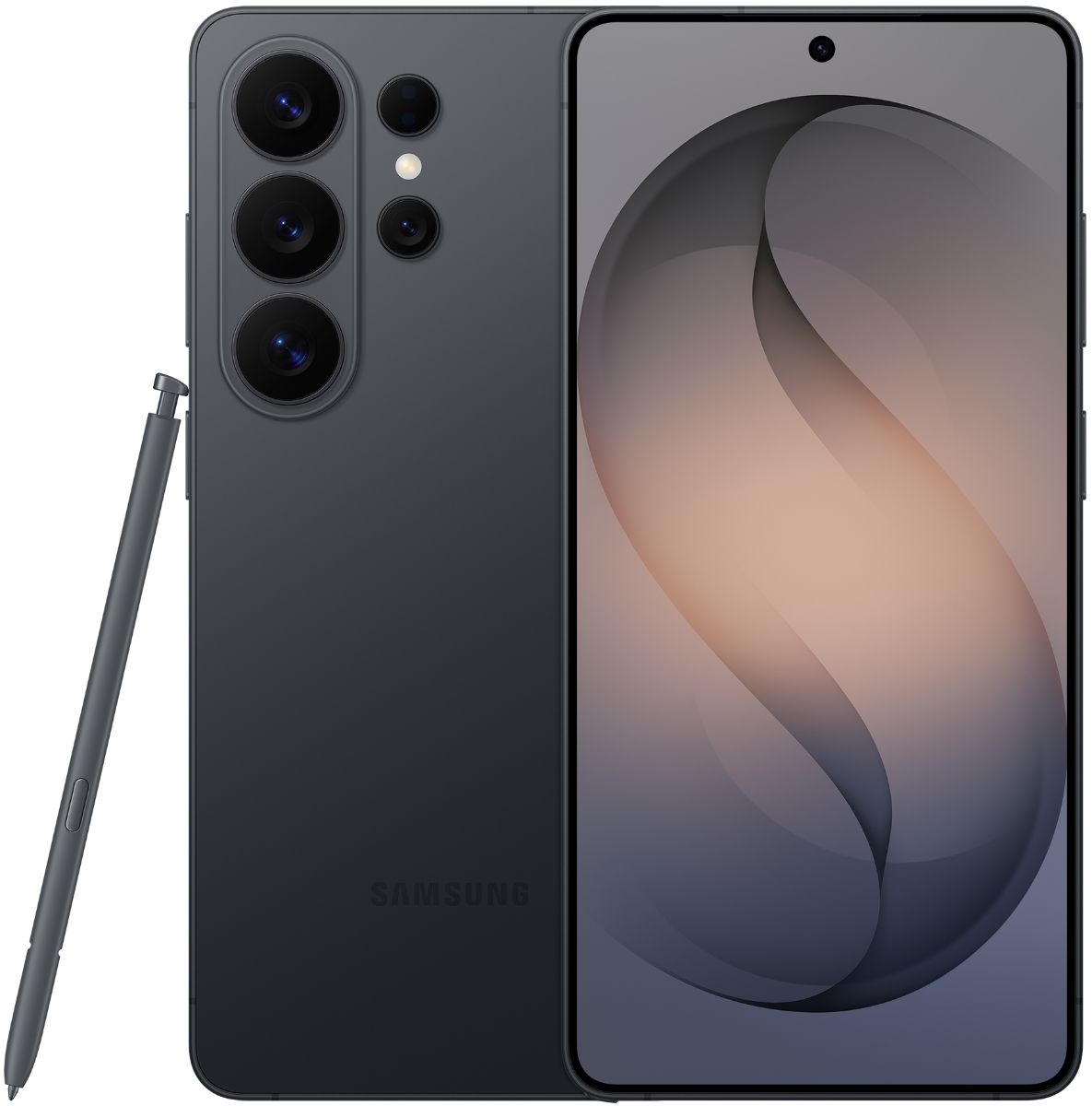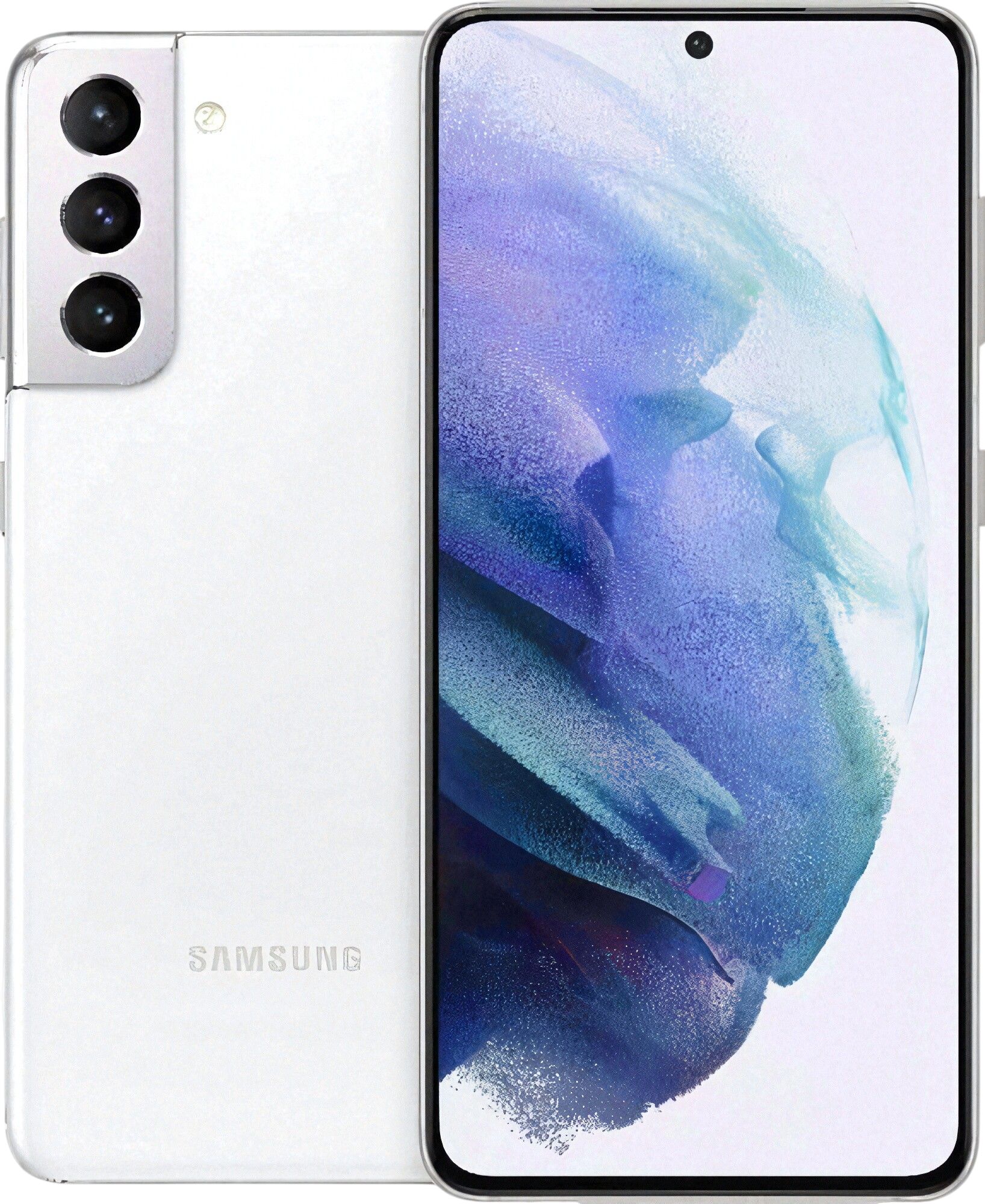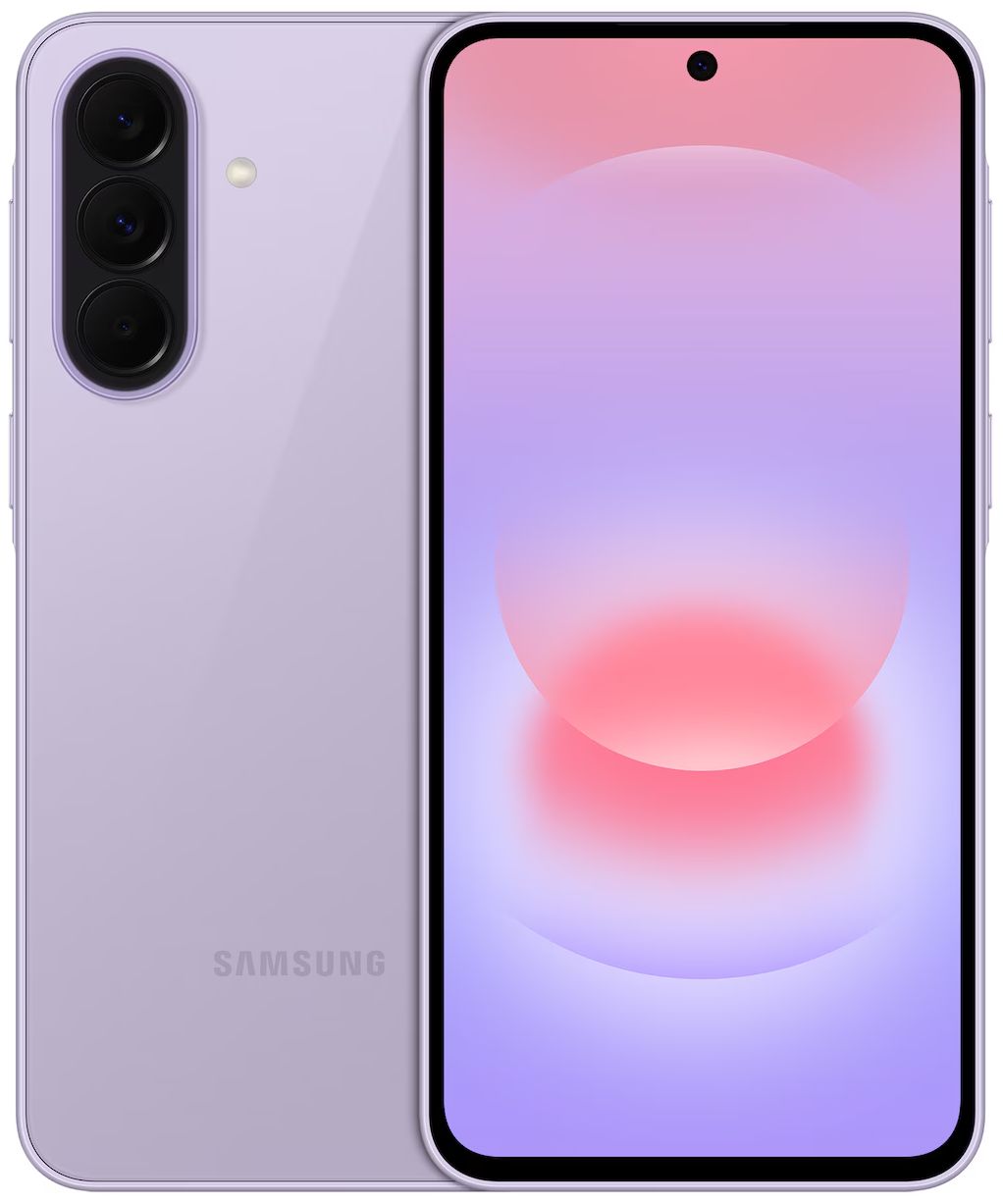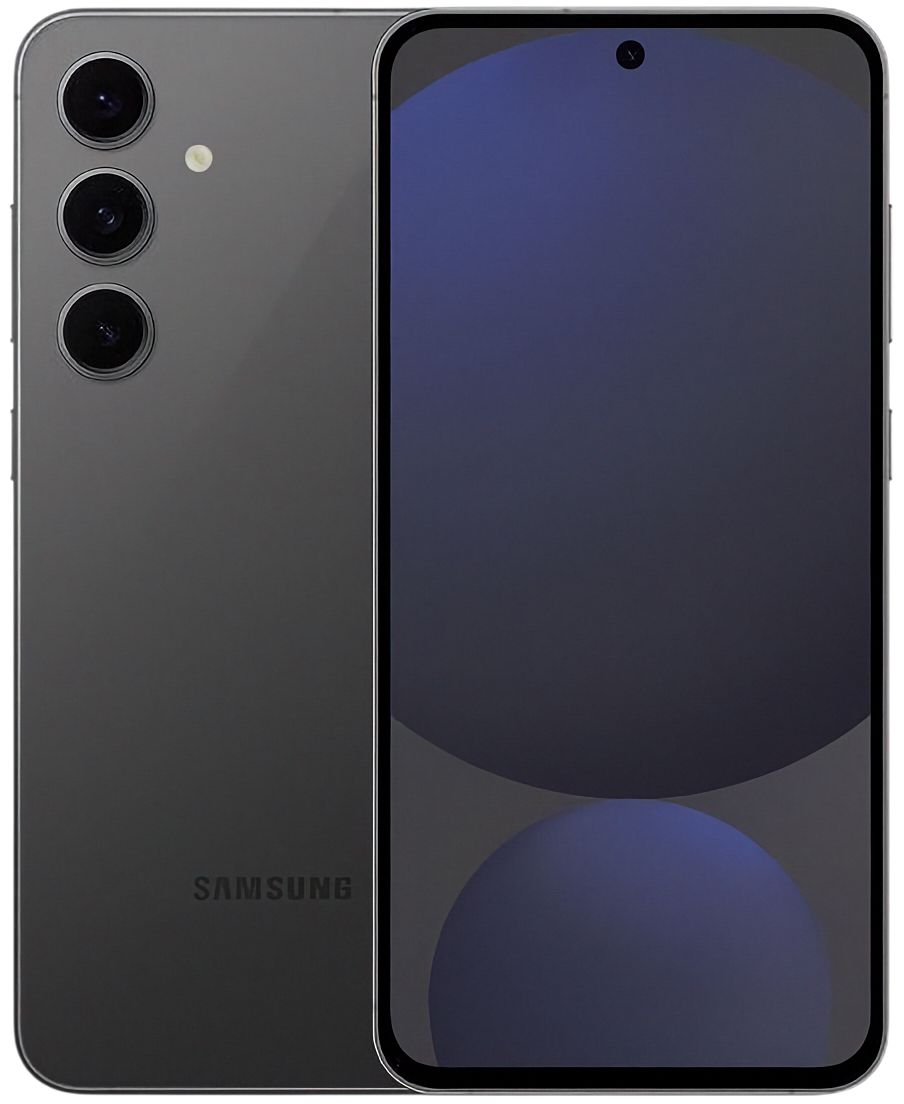
The Galaxy S24 FE is Samsung's formula for a flagship-adjacent phone: most of what makes an S24 feel current, wrapped in a bigger, heavier, slightly slower body that launched at a lower price than the flagships around it. That formula has held up well in the second-hand market, and in NZ the model has search demand of its own — people want to know whether the FE is a bargain or a compromise. The honest answer is that it is both, depending on what you use a phone for. This guide walks through how the FE differs from the plain S24, whether it still makes sense in 2026, what to check before you buy a used unit, and how it stacks up against the other second-hand Samsungs on the refurbished Samsung Galaxy collection.
How is the Galaxy S24 FE different from the Galaxy S24?
Samsung released the S24 FE in late 2024, filling the slot below the S24 and S24+ with a phone that borrows the flagship design language but substitutes a few parts. The short version of the parts list: a 6.7-inch Dynamic AMOLED display at 120Hz against the S24's 6.2-inch panel; a 4,700mAh battery against the S24's 4,000mAh; 8GB of memory and 128GB or 256GB of storage with no memory-card slot; a 50MP main camera joined by an ultra-wide and a 3x telephoto; IP68 dust and water sealing; wireless charging without magnets; and Samsung's full Galaxy AI feature set — Circle to Search, live call translation and the rest. The complete official sheet is on Samsung's Galaxy pages.
The processor is the one part that genuinely changed tier. The plain S24 sold in NZ carries the full-clocked Exynos 2400 — Snapdragon 8 Gen 3 versions of the S24 went to only some overseas markets, not NZ — while the FE runs an Exynos 2400e, a slightly underclocked relative of that same chip. In benchmarks the S24 is the quicker phone; in day-to-day use — apps opening, camera processing, gaming at sensible settings — the gap is small, and both phones stay comfortably quick for everyday work.
What the S24 keeps for itself is the feel: a compact, light body, a brighter screen and marginally better camera hardware. What the FE gives you instead is screen area and battery capacity — the two things most people actually notice over a day. If one-handed use matters more than a big canvas, get an S24. If you read, watch and scroll on your phone constantly, the FE's extra size is the better trade.
Is the Galaxy S24 FE still worth buying second-hand in 2026?
For a big-screen buyer, yes — with one caveat to check first. The FE is a 2024-generation phone, which means current apps, current security behaviour and the Galaxy AI features all run natively, and the model sits inside Samsung's published update commitment for recent flagships and FE devices. Samsung publishes the update schedule per model on samsung.com; check your exact unit's status there rather than trusting numbers quoted in forums, and weigh the remaining runway the way How Long Should a Refurbished Phone Last? describes.
The other part of the calculation is value, and value on a second-hand phone is really about what you still get for what you pay. The FE delivers the software experience of a flagship generation — the same One UI, the same AI features, the same app ecosystem and accessories you would buy for any current Galaxy — at a cost closer to a mid-ranger, which is exactly the bargain the FE line was built to offer. Where it disappoints is expectation: someone comparing it to an S24 Ultra or a current-year flagship will notice the slower chip, the less bright screen and the chunkier bezels. Someone coming from a 2020-era phone will notice none of it and enjoy the size, the battery and the smooth 120Hz screen.
Buy the FE second-hand if you want the largest usable Samsung screen for the smallest flagship-adjacent cost. Skip it if you want the fastest chip, the brightest display or a light body — those are precisely the things Samsung trimmed.
What should you check before buying a used S24 FE?
Five checks separate a good used FE from an expensive lesson:
- Battery report, measured. A capacity figure on the listing that matches a published tier: 80%, 90% or 100% battery health. The FE's 4,700mAh cell is only an advantage if the specific unit still has most of it.
- Account locks cleared. A Samsung left signed into the previous owner's account is a paperweight; Remove Activation Lock and FRP Before You Sell or Trade In covers the buyer side of that handover, including how FRP behaves on Samsung specifically.
- Grade stated in writing. Battery tier and cosmetic condition on the listing itself, not promised in a message afterwards — the condition guide and What Do "Good", "Very Good" and "Like New" Actually Mean? show what each grade looks like in the hand.
- Storage confirmed on the device. With no card slot, 128GB on a camera-heavy phone fills faster than most people expect; check the capacity shown in Settings matches what was advertised.
- Network freedom confirmed. Import units can carry carrier locks; Are Refurbished Phones Unlocked? Network Locks in NZ explains how to verify a unit will take Spark, One NZ or 2degrees before you pay.
Buying through a refurbisher rather than a private seller is what turns those five checks from a negotiation into a listing. Every EcoLoop device is tested and graded in Auckland and listed with its battery tier and cosmetic grade, backed by a 12-month warranty and free NZ-wide delivery, with a 15-day change-of-mind window if the phone turns out not to suit you. A case and a protector are still worth adding — Do Refurbished Phones Need a Case and Screen Protector? covers what actually protects a phone at this size.
Which second-hand Samsung should you consider instead of the FE?
The FE sits in the middle of a crowded used Samsung range, so it is worth pricing the alternatives in your head before committing. The Galaxy S24 vs S23 comparison is the logical first stop: an older plain flagship often costs about the same as a newer FE, and you trade screen size for speed and build. The S23 buying guide details what to inspect on that one. If you are eyeing the other end of the range, Samsung Galaxy S26 Ultra: Is It Worth Buying Pre-Owned? explains when the top model earns its difference.
For a lighter-use buyer, the A-series is worth a look instead of any FE: the A37 guide and the A-series numbering explainer cover what those model numbers mean and which ones are good value used. And if an FE is what you already own, its trade-in value before you swap is covered in Samsung Galaxy Trade-In NZ — a quote starts on the trade-in page.
Where can you buy a refurbished S24 FE in NZ, and what should the listing show?
Prices on second-hand FE stock move with supply, so rather than trusting any figure quoted on the internet, see current prices on the refurbished Samsung Galaxy collection and the wider refurbished phones page, where each unit is listed with its storage, grade and battery tier. A listing worth buying from shows the measured battery tier, the cosmetic grade and the storage up front, and states plainly that the unit is unlocked for NZ carriers.
EcoLoop units are tested and graded in Auckland, ship with a 12-month warranty and free NZ-wide delivery, and sit inside a 15-day change-of-mind window — the process is on the returns page and the shipping page. Buying second-hand never shrinks your consumer rights either: consumerprotection.govt.nz explains them in plain language, and the FAQ shows how our process lines up with them.
In stock now: Samsung Galaxy
Live prices from our current stock — updated automatically. Every device includes a 12-month warranty and free NZ-wide shipping.
- Samsung Galaxy J4 — from NZ$139.00
- Samsung Galaxy A06 — from NZ$148.00
- Samsung Galaxy A10 — from NZ$149.00
- Samsung Galaxy S10e — from NZ$228.72
- Samsung Galaxy A07 — from NZ$228.72
- Samsung Galaxy A35 — from NZ$332.98
- Samsung Galaxy S21 — from NZ$345.74
- Samsung Galaxy S21 FE — from NZ$348.00