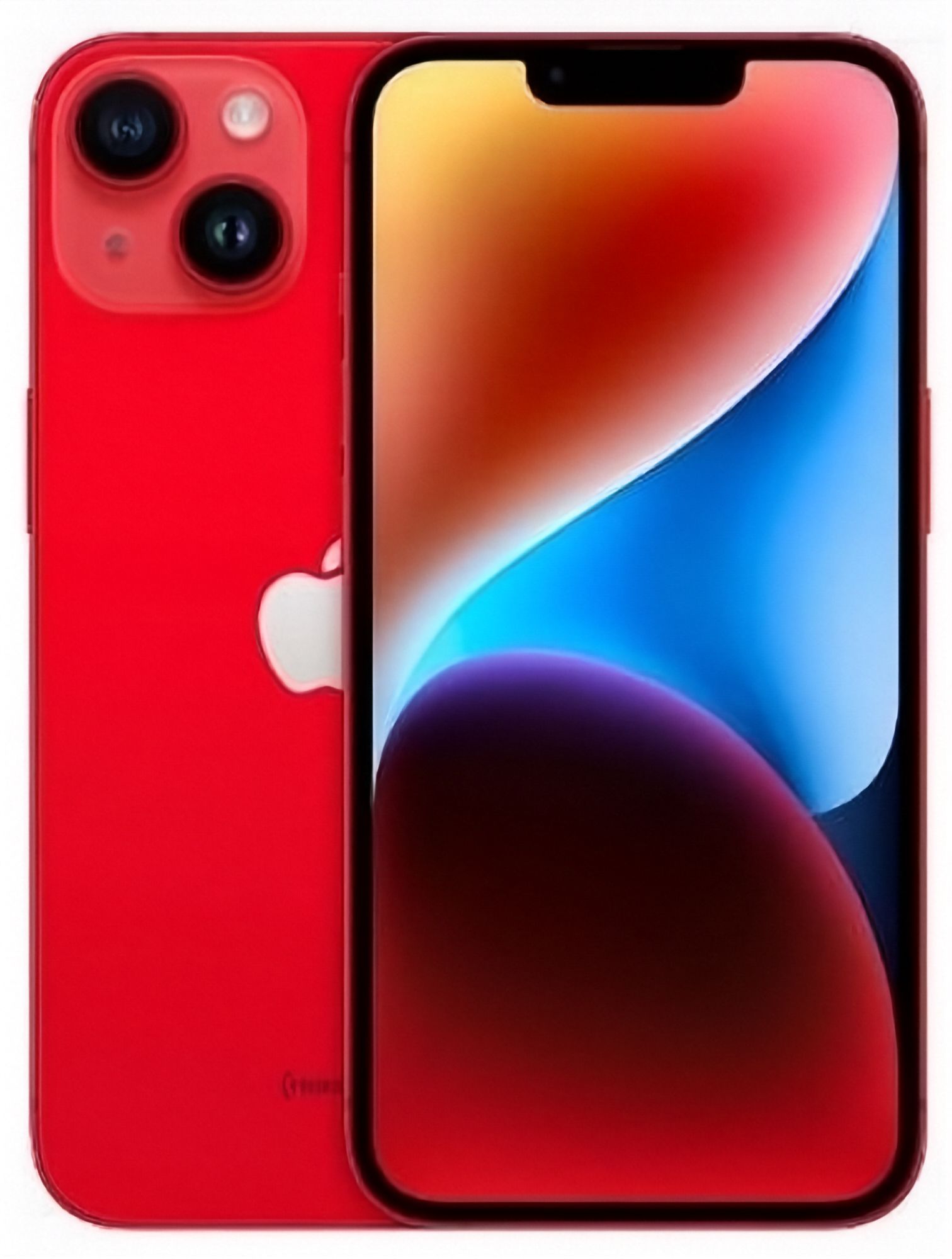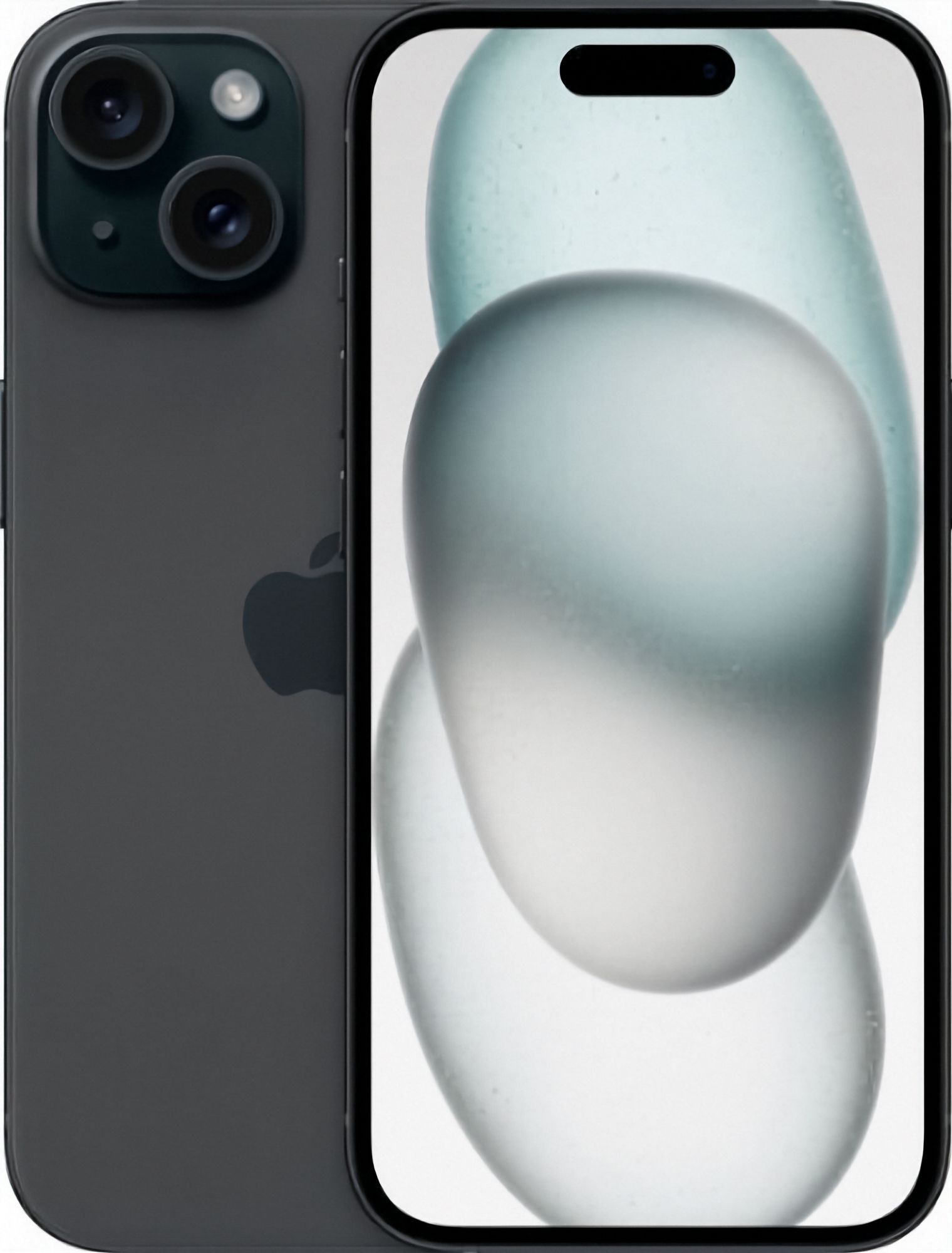
You have just saved a solid chunk of change on a refurbished phone, and the first question at checkout is usually the same one: do I really need both a case and a screen protector, or is one of them marketing? It is a fair question, because phone accessories are a market full of things that do very little. A case and a protector are the two exceptions, but they earn their keep in different ways, and knowing which one matters for how you use your phone saves you from buying protection you will never use.
Do you actually need both a case and a screen protector?
Screens fail in two completely different ways, and each accessory defends against one of them. The first failure mode is surface damage: dust in a pocket, grit on a table, keys and coins. Quartz dust is harder than the coating on the glass, which is why a "bare phone" always ends up with fine scratches even when the owner is careful. A sacrificial protector takes that damage instead of the display. The second failure mode is impact damage: a corner strike on concrete or a tile floor, which can crack the glass outright. That is a case job, specifically the corners and any lip that stands proud of the screen and camera glass.
So the honest answer is that a protector defends against the damage that happens every day, and a case defends against the damage that happens once but hurts. A 12-month warranty on a refurbished phone covers hardware faults, not a cracked panel, and your consumer rights cover the phone being what it was sold as, not you dropping it. Accidents are the one category of damage you self-insure, and these two small items are the least expensive way to do it.
If you genuinely hate both, skip the case before the protector. Unprotected glass scratches long before it cracks, and a light scratch across the active area is annoying in a way you never stop noticing.
What kind of screen protector should you buy?
Tempered glass is the default choice for a reason. It is hard, it feels like the phone's own glass under a finger, and many good ones carry an oleophobic coating so fingerprints wipe away the same way they do on the bare screen. When a glass protector does its job in a drop, it cracks in a star pattern and you simply replace the protector rather than living with a spider crack on the display underneath.
Plastic film protectors are thinner and almost invisible, and they still stop scratches, but they scar easily, feel slightly rubbery, and do little against impact. They make sense for a phone that lives in a pocket with nothing else in it, or as a cheap option on an older budget handset. Specialty films — matte for glare, privacy for open-plan trains, blue-light tints for night reading — are taste decisions, not protection decisions. A matte film trades sharpness for reduced reflection; if you pick one, buy from a seller that lets you return it if you hate it.
Fitting matters as much as the product. A protector with a dust-removal strip and an alignment frame goes on bubble-free in a couple of minutes; a badly aligned one collects dust at the edge and lifts within weeks. Look for "case-friendly" cutouts if you also use a case: a full-coverage protector that runs under a tight case lip will slowly be pushed up by the case edge and peel.
What makes a good case for a used or refurbished phone?
Three features separate a real protective case from a coloured shell. First, a raised lip: the rim of the case should stand above both the screen and the camera glass, so the phone can be laid face-down or back-down on a table without either touching the surface. Second, thickened or cushioned corners, because a fall onto a corner is the strike that cracks glass. Third, precise cutouts and a snug fit — a case that wobbles on the frame lets the phone shift inside it when it lands, which defeats the point.
Everything beyond that is personal preference. Slim clear cases protect the frame and pick up a yellow tint over time. Rugged multi-layer cases survive the worst drops but add real thickness, and on an iPhone a thick case quietly disables MagSafe charging and card wallets — see our MagSafe explained guide for where that line sits. Whatever you choose, buy the case model-matched to your exact model rather than a "fits most" generality. If you are still choosing an iPhone, see current prices on the model page via our iPhone collection.
There is a refurbished-specific angle too. Condition grades — the Good, Very Good and Like New labels we use — describe cosmetics, and a phone that stays in a grade keeps its value when you sell or trade it on. An inexpensive case is protecting a much larger slice of resale value, which is a much better trade-off than the maths usually gets credit for.
Can a case or protector cause problems of its own?
Yes, when they are bad ones. A cheap glass protector with poor optical clarity makes text slightly fuzzy and can confuse the proximity sensor during calls. On phones with an under-display fingerprint reader, a thick or misaligned protector can make unlocking a repeated negotiation. Very dark privacy films reduce brightness meaningfully and shift colours at an angle. If a protector makes the phone worse to look at than bare glass would have been, it has failed at its job even though the glass underneath is perfect.
Cases create their own small maintenance problem: grit collects between the case and the phone, and a pocket full of dust turns the case into sandpaper against the back panel and frame. A quick wipe of both, now and then, prevents a fine network of scratches under a case that always "looked protected". Heat is the other one — a thick case traps warmth during long video recording or fast charging, and batteries dislike heat, so if the phone runs hot in the case, take it off for heavy sessions.
None of this is a reason to go bare. It is a reason to buy one decent case and one decent protector for your exact model instead of a drawer of novelty shells, and to fit them properly. Browse the refurbished phones we keep in stock if you are still choosing the phone itself — the accessories list is shorter once the model is fixed.
So does the pair actually pay off?
Set it out plainly. A protector and a case together cost a small fraction of a screen replacement, and a screen replacement is a common repair — see our repairs page. The case also hides the cosmetic damage that quietly shaves value off the phone at trade-in time, and a phone in good cosmetic condition attracts a better offer.
For the phone itself, the maths on buying refurbished instead of new is already in your favour: our phones are tested and graded in Auckland, ship with a 12-month warranty, and come with free NZ-wide delivery. Spending a little of what you saved on the two accessories that genuinely work is the last step of a good purchase. If you want the full picture on what is covered and what is not when something goes wrong, the FAQ has the plain-language version.
The short verdict: a tempered glass protector earns its keep on every phone, for everyone. A case depends on your grip, your pockets and your line of work — but if the phone goes out of the house in an unprotected bag, or you have ever dropped anything ever, it belongs on your shortlist too.