Do refurbished phones come unlocked in New Zealand?
Not automatically, and that single fact causes more buyer regret than any other in the used-phone market. A phone is only unlocked if the carrier it originally sold through has released it, and nothing about a factory reset, a new battery or a fresh coat of paint changes that. So the honest answer to "are refurbished phones unlocked?" is: some are, some are not, and it depends entirely on who you buy from.
Here is how we draw the line: every phone we sell is unlocked for all NZ carriers, which is why every listing in our refurbished phone range can be dropped straight into a Spark, One NZ or 2degrees plan without a phone call to anyone. When you shop elsewhere, especially on marketplaces, the lock status is the first thing to confirm and the last thing sellers volunteer.
The reason locked phones exist at all is worth understanding, because it tells you where the risk sits.
What does it actually mean for a phone to be network locked?
A network lock (you will also see it called a carrier lock) is a restriction written into the phone's activation record that stops it accepting SIM cards from carriers other than the one it was sold with. The phone looks and works completely normally on its home network, so a locked phone can pass a demo in someone's hand and still refuse your SIM at home.
Carriers apply locks when they discount a handset heavily or spread its cost over a plan. The logic is simple: if you can just move the phone to a rival while still paying that carrier for it, their security has walked out the door. The lock normally lifts when the device is fully paid off with that carrier, and on many modern phones the release is done server-side, which means a reset does not remove it and a reset does not trigger it either.
Three things people mix up with network locks are not network locks:
- Account locks. iCloud Activation Lock on iPhone and Factory Reset Protection on Samsung phones tie the device to the previous owner's account, not to a carrier. A phone can be perfectly network-unlocked and still be a brick until the old account is removed.
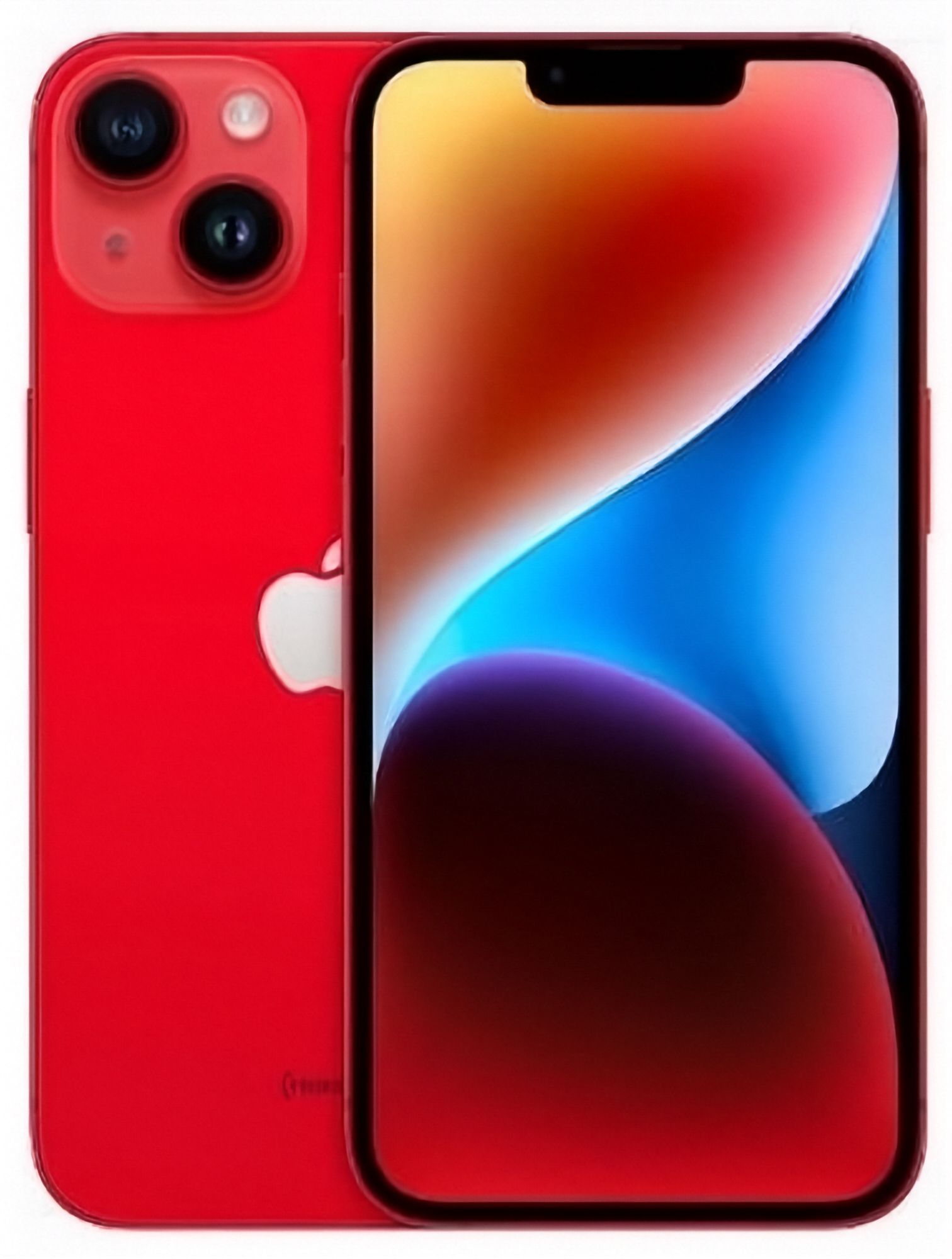
- Model variants. A phone built for another market may lack the bands a local network uses, which feels like a lock but is a hardware mismatch. Our eSIM-only iPhone 14 guide walks through exactly this kind of import question.
- SIM size or tray quirks. eSIM-only US models have no physical tray at all, which is a setup problem, not a lock.
If you want the manufacturer's own explanation of how carrier policies and unlocking work, apple.com and samsung.com document it device by device.
How do you check whether a phone is unlocked before buying?
Four checks sort almost every situation out, in rough order of reliability.
The SIM swap. Borrow a working SIM from a carrier other than the phone's original one. If the phone registers on that network, make a test call and use mobile data for a minute, it is unlocked. This is conclusive, and it is the single best ninety seconds you can spend before money changes hands.
The iPhone About screen. Open Settings, then General, then About, and scroll to the bottom. A line reading Carrier Lock: "No SIM restrictions" is a definitive yes. If it names a carrier instead, the phone is locked to that carrier today, regardless of what the listing claims.
The IMEI check. Every phone has an international identity number, and a carrier can tell you from it what model and lock state they sold. On Samsung devices the lock status and the steps for a release are documented through samsung.com; with an iPhone, the About screen usually answers it without any phone calls.
The direct question to the seller. Ask, in words you can screenshot: which carrier was this sold on, is the device fully paid off with them, and is it confirmed unlocked? A private seller who cannot answer all three is asking you to accept an unknown. A listing that says "unlocked" with no supporting answer is a hope, not a fact.
Our full pre-purchase checklist covers the rest of the walkthrough, from IMEI blacklists to screen and battery checks.
Is a cheap network-locked phone ever worth buying?
Sometimes, and the case where it makes sense is narrower than sellers think. A locked phone can be a reasonable buy if all of these hold: you are already staying on that exact carrier, the device is confirmed paid off, and the seller states the lock status plainly rather than hoping you do not ask. If you satisfy all three, the lock costs you nothing you were going to use anyway.
The trap is everything else. An unpaid plan attached to the phone means the carrier can keep the lock in place indefinitely, and their policy, not the seller's promise, decides when it lifts. If you later switch networks, the phone becomes a wifi picture frame until a release happens, and there is no way to force one from your side. The discount you paid up front was for taking that uncertainty off the seller's hands.
A practical rule: treat a locked phone's price as the number you would only pay if the unlock were delayed forever. If the difference is small, a confirmed unlocked machine is the better buy even when the sticker says otherwise. Compare lock status across the market first, because you can see current prices on the model page of anything we stock, for example the iPhone 12 model page.
What should you ask any seller about a used phone?
Before you buy anywhere, the questions you ask matter more than the badge on the box. Five cover the serious failure modes:
- Is it unlocked for all NZ carriers, and can you confirm that in writing? If the answer is vague, the SIM swap test above settles it before you pay.
- Is the previous owner's account cleared? iCloud or Google account locks are deadlier than carrier locks, because no SIM change can get around them.
- What is the battery health? Capacity is the part of a used phone that cannot be talked about in hopes. We publish battery tiers as 80%, 90% or 100% battery health, and every phone we sell holds at least 80% of its original capacity.
- Who stands behind it if it fails? Ours come with a 12-month warranty, and every device is tested and graded in Auckland before it goes on sale. The returns page spells out the 15-day change-of-mind window if the phone just feels wrong when it arrives.
- What exactly is in the box, and when does it arrive? Our phones ship with free NZ-wide delivery; a private deal has no answer until you ask.
If your old phone is sitting in a drawer while you research, trading it in applies its value toward the replacement, and its condition report answers several of these questions about your own device along the way. Still comparing networks instead of machines? Start with the iPhone collection or the Samsung collection, where unlocked is simply what is on sale, and the frequently asked questions page answers the lock and delivery questions we get most.