The iPhone 12 is one of the most-shopped refurbished phones in New Zealand, and one question follows it into almost every conversation: what should it actually cost? There is no single number, and anyone quoting one without conditions is guessing. This guide explains what moves the price of a used iPhone 12, what to check before you pay, and where to see live prices for stock that is actually on hand today.
How much does an iPhone 12 cost in New Zealand right now?
Refurbished stock is priced unit by unit rather than off a fixed price list, because every phone arrives with a different combination of storage, battery condition, cosmetic grade and colour. The honest answer is that the right price is the one on the listing in front of you: the refurbished iPhone collection shows current prices for every unit on hand, and comparing two or three listings side by side will teach you the local market faster than any article can.
A rough map of the range helps you spot a fair deal. A 64GB unit in Good condition on the entry battery tier sits at the bottom of the ladder, while a 256GB Like New unit on a top battery tier sits at the top, and most phones land somewhere between the two. A listing priced far below where its grade should sit is usually telling you something — a carrier lock, a missing battery report, or a private seller who never answers messages. EcoLoop listings state grade, battery tier and unlock status up front, so the price has nothing hidden inside it, and the store FAQ explains how each attribute is described.
What makes one second-hand iPhone 12 cost more than another?
Five levers explain almost the whole spread you will see between listings.
- Storage. The 12 came in 64GB, 128GB and 256GB, and each capacity carries its own demand. If you shoot a lot of video or would rather not manage photos, 64GB will feel tight and stepping up is usually worth paying for; iPhone Storage: 64GB vs 128GB vs 256GB walks through the choice properly.
- Battery health. The biggest single lever. A battery replacement is coming sooner or later on any used phone, and buyers price that in, so top-tier units out-price tired ones. EcoLoop sells phones at 80%, 90% or 100% battery health with the measured figure stated on the listing, and every phone we sell holds at least 80% of its original capacity. Reading a battery report before you pay is a two-minute job — How to Check Battery Health Before Buying a Used iPhone shows the exact steps.
- Cosmetic grade. Good, Very Good and Like New are not adjectives a seller invents; an EcoLoop grade is the output of devices being tested and graded in Auckland, written down and printed on the listing. The condition guide explains what each grade covers, and What Do Good, Very Good and Like New Actually Mean? goes deeper into how grading protects you.
- Network status. A carrier-locked import sells for less than an unlocked phone because it only runs on one network, and getting it unlocked can cost time or money. Every phone in the EcoLoop collection is unlocked for NZ carriers; if you have wondered what a lock really costs you, Are Refurbished Phones Unlocked? breaks network locks down.
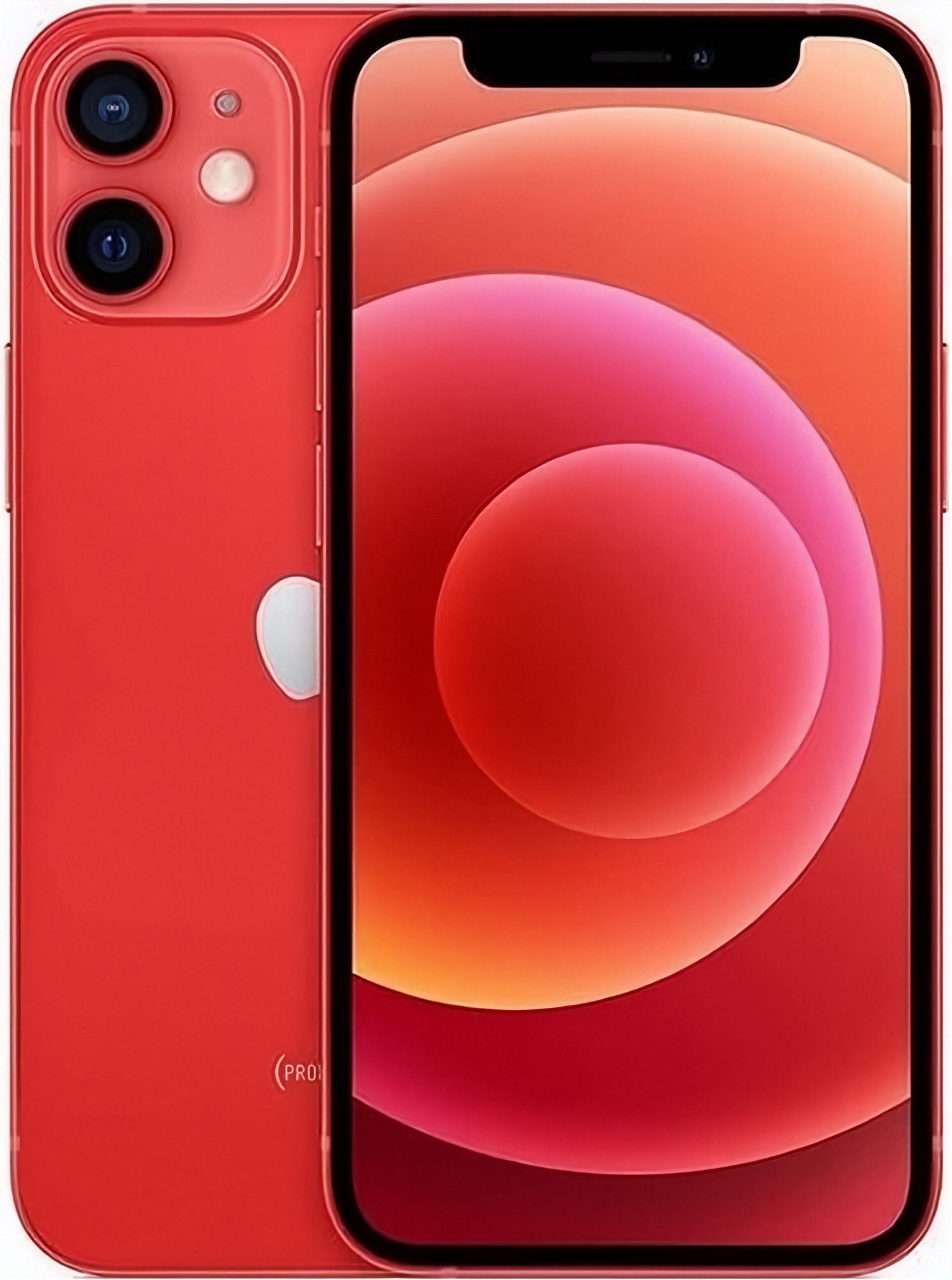
- Model flavour and timing. A 12 Pro or Pro Max costs more than the plain 12 for its telephoto camera and steel body, while mini units sit at the low end because their appeal is narrow. Timing moves prices too: demand swells around gift-giving seasons and softens after big launch news, and the second-hand market drifts with it.
None of these makes a low price wrong — they explain where the price comes from, so you can tell a genuine bargain from a hidden problem.
Is a refurbished iPhone 12 still worth buying in 2026?
For most buyers the answer is yes, with one honest software caveat. The 12 was Apple's first 5G iPhone, and its camera, screen and performance still handle messaging, banking, maps, social apps and casual games without complaint. What decides how long that stays true is whether the model still receives iOS updates — and that is Apple's call, not a blogger's. The compatibility list lives at apple.com; check it before you pay and you know exactly what you are getting into.
The 12 suits first-phone buyers, a teenager who is careful with devices, a parent who upgrades rarely, or anyone who wants a capable 5G backup without paying flagship money. People who game heavily or shoot a lot of video will feel the jump in battery life and low-light capture on newer models — compare iPhone 13 vs iPhone 14 or browse the wider iPhone collection before deciding the extra is worth it.
And the risk question that stops people buying second-hand at all: at EcoLoop every phone arrives tested in Auckland, with a 12-month warranty for faults, a 15-day change-of-mind window if it simply is not right, and free NZ-wide delivery, so trying one costs very little even if you change your mind. If the maths still needs convincing, Refurbished vs New iPhone: Is It Worth It in NZ? runs the wider comparison end to end.
What should I check before paying for a used iPhone 12?
- Run the full pre-purchase sweep from 7 Things to Check When Buying a Second-Hand Phone in NZ: IMEI status, reported battery capacity, Face ID, every camera lens, the speakers, microphones and charging.
- Confirm the phone is not tied to a stranger's account. Activation Lock must be cleared before money moves, and Remove Activation Lock and FRP Before You Sell or Trade In shows what a clean handover looks like on both sides of the deal.
- Check the network box. The 12 works on current NZ network bands, and an unlocked unit runs on Spark, One NZ or 2degrees — read what the listing says about locks before checkout.
- Read the grade and the battery tier as a pair. A Like New body wrapped around an 80% battery is a different purchase from a Good body at 100%, and the right pairing depends on how hard you actually use a phone.
Buying from EcoLoop means all four of those answers are printed on the listing rather than pulled from a reluctant seller, and the practical details live one click away: shipping and returns.
Can a trade-in make an iPhone 12 cheaper?
Usually, yes. Trading in the phone currently in your pocket — any brand, cracked or clean — turns a trade-in quote into credit against the iPhone 12, and that credit comes off the price before you pay. Start on the trade-in page; iPhone Trade-In in NZ explains what lifts or lowers a quote, and How to Wipe Your Phone Before You Trade It In makes sure your old device hands over cleanly and safely.
Stack the levers and the sticker price is more flexible than most shoppers realise: a mid-grade 128GB unit at the 80% battery tier, with trade-in credit applied, often lands below a headline price that seemed out of reach. The lesson runs both ways — a suspiciously low listing is not automatically a win, and a higher one is not automatically overpriced. Match the grade, tier and storage to how you actually use a phone, pay for that combination, and you will rarely feel burned.
In stock now: iPhones
Live prices from our current stock — updated automatically. Every device includes a 12-month warranty and free NZ-wide shipping.
- Apple iPhone SE (2022) — from NZ$293.00
- Apple iPhone 12 mini — from NZ$398.00
- Apple iPhone 12 — from NZ$448.00
- Apple iPhone 12 Pro Max — from NZ$550.00
- Apple iPhone 13 mini — from NZ$557.00
- Apple iPhone 13 — from NZ$569.15
- Apple iPhone 14 — from NZ$668.00
- Apple iPhone 13 Pro — from NZ$674.00