Is an iPhone mini still worth buying?
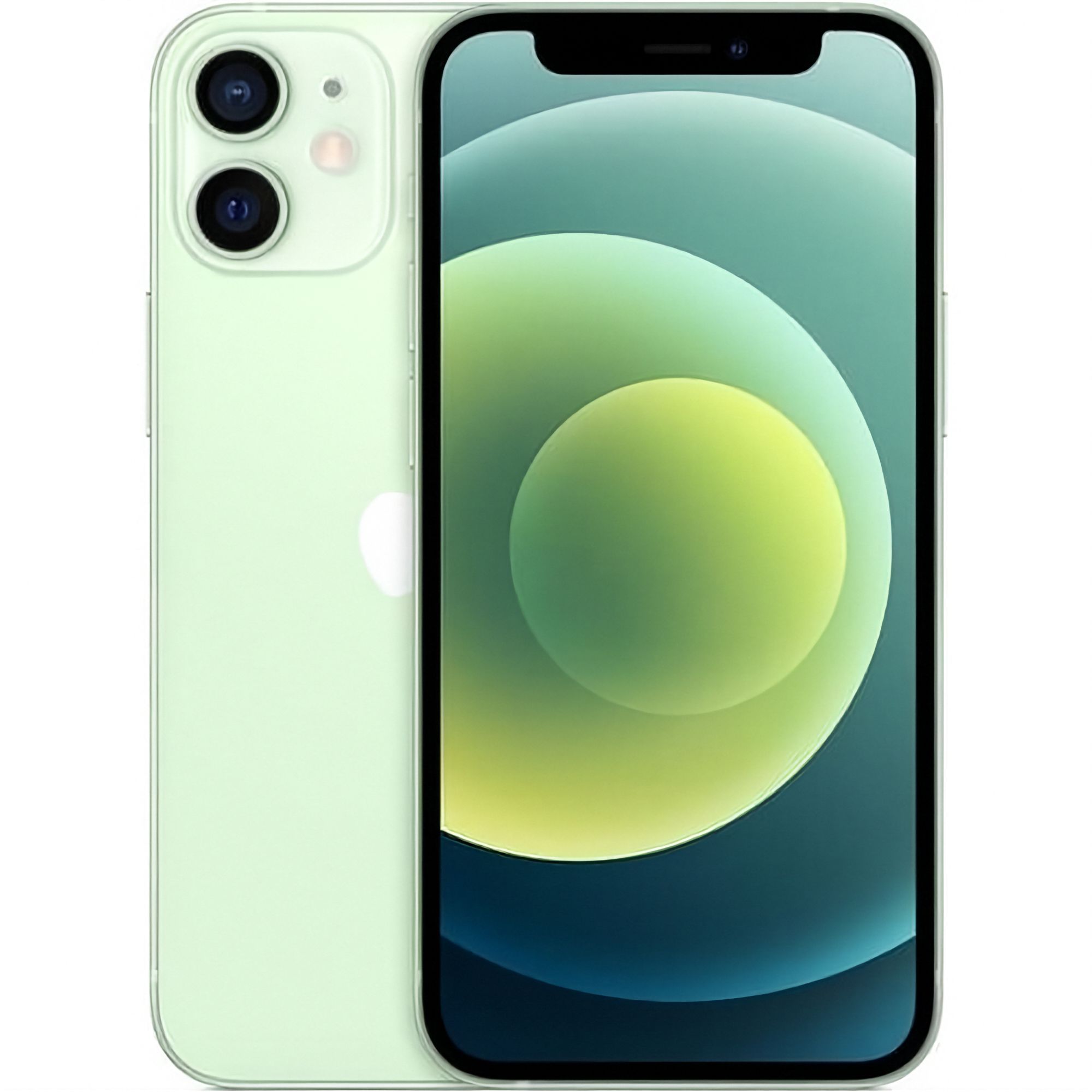
For the right person, yes. The iPhone 12 mini and iPhone 13 mini are the smallest iPhones Apple has made with Face ID and an edge-to-edge screen, and nothing in the current line-up has replaced them. Every iPhone since has started at a 6.1-inch screen, and the iPhone 14 range swapped the mini for a bigger Plus model instead. If you want a modern iPhone that disappears into a jeans pocket and can be used comfortably with one thumb, a refurbished mini is now the only way to get one.
That also makes a mini a deliberate choice rather than a default. These phones trade screen space and battery capacity for size, and they are older designs. This guide covers who they still suit, how the 12 mini and 13 mini differ, and what to check on a used one before you commit. If you are weighing a standard-size model instead, our iPhone 12 buying guide and iPhone 13 buying guide cover the 6.1-inch versions of the same generations.
Who does a 5.4-inch iPhone still suit?
The mini makes the most sense when size is the feature you care about most. People who use their phone one-handed on the bus, at the supermarket or while holding a coffee often find a 6.1-inch phone slightly too wide to reach the far corner of the screen. The mini fixes that without going back to the thick borders and home button of an iPhone SE.
It also suits people with smaller hands, runners and cyclists who carry a phone in a small pocket or armband, and anyone who simply wants to spend less time staring at a screen. A smaller display is a quiet nudge towards picking the phone up, doing the thing you needed and putting it down again.
Parents buying a first iPhone for a younger child sometimes like the mini for the same reasons. It is easier to hold, fits in a school bag pocket, and still runs the same apps and parental controls as a bigger iPhone.
Who should skip it? Heavy users who watch a lot of video, edit photos on the phone, play games for long stretches or rely on the phone as a navigation screen in the car will usually be happier on a 6.1-inch model. The same goes for anyone who finds small text hard to read, although iOS lets you increase the text size and turn on Display Zoom if you want to try a mini anyway.
How is the iPhone 13 mini different from the iPhone 12 mini?
Both phones share the same 5.4-inch OLED screen size, Face ID, 5G, MagSafe and a Lightning port. The differences are smaller than the year between them suggests, but a few of them matter in daily use.
| iPhone 12 mini | iPhone 13 mini | |
|---|---|---|
| Released | 2020 | 2021 |
| Chip | A14 Bionic | A15 Bionic |
| Rear cameras | 12MP wide and ultra wide | 12MP wide and ultra wide, with sensor-shift stabilisation on the main camera |
| Notch | Standard notch | Smaller notch |
| Smallest storage option | 64GB | 128GB |
| Battery | Smaller | Larger than the 12 mini |
The battery row is the one most people notice. Battery life was the main complaint about the 12 mini when it was new, and Apple fitted a bigger battery in the 13 mini. If you can stretch to a 13 mini, the extra capacity is the strongest reason to do it. For exact battery and camera specifications, Apple keeps the details on its official comparison page.
Storage is the other practical difference. The 12 mini started at 64GB, which fills quickly once photos, video and messaging apps build up. The 13 mini started at 128GB. Our iPhone storage guide explains what each tier realistically holds, and on a mini it is worth leaning towards at least 128GB whichever model you choose.
The chip and camera changes are real but modest. The A15 Bionic is a generation newer, and the stabilised main camera on the 13 mini helps a little in low light and with handheld video. Neither phone has a telephoto lens, so if zooming in on distant subjects matters to you, a mini is not the right tool.
What should you check on a used iPhone mini?
Battery health matters more on a mini than on any other recent iPhone, because there is less capacity to start with. We sell phones at 80%, 90% or 100% battery health, and every phone we sell holds at least 80% of its original capacity. On a mini, we suggest 90% or above if you are out of the house from morning to evening, and the 100% tier if you are a heavy user who still wants the small size. Our battery health checking guide shows where to find the reading in Settings and what it means.
Beyond the battery, check the same things you would on any used iPhone:
- Face ID: set it up and make sure it unlocks reliably, including in a dim room.
- Screen: look for dead pixels, a green tint or burn-in on both a white and a dark background, and check that touch works right to the edges.
- Cameras: open the camera, switch between wide and ultra wide, and record a short video to check focus and stabilisation.
- Speakers, microphones and charging: make a test call, play some audio and plug in a Lightning cable to confirm the phone charges.
- Network lock and Activation Lock: the phone should work on your NZ network and be signed out of the previous owner's Apple ID.
Every device we sell is tested and graded in Auckland, so these checks are done before a phone is listed, and our condition guide explains what each cosmetic grade looks like in the hand. If you are buying privately, run through the list yourself before you hand over any money.
Is a small phone more fragile?
Not really, but a mini is easier to drop when you are using it one-handed, and on a small screen any crack sits right where you are reading. A slim case and a screen protector are a sensible extra. Our guide to cases and screen protectors covers what actually helps. MagSafe cases and chargers work on both mini models, as long as the case itself is made for the mini size.
How long will an iPhone mini keep getting updates?
Apple decides how long each model receives new versions of iOS and does not publish an end date in advance. The 12 mini and 13 mini are older designs than the current line-up, so they will reach the end of major iOS updates sooner than a newer iPhone. If you want the longest possible software runway, a newer 6.1-inch model is the safer choice. If you want the small size, the 13 mini is the newer of the two and the better pick if you plan to keep the phone for a long time.
Which mini should you buy, and what are the alternatives?
Pick the 13 mini if you can. The bigger battery, the larger starting storage and the newer chip make it the easier phone to live with. Pick the 12 mini if your budget is tight and you are a light user who is usually near a charger, and choose a higher battery health tier to make up for the smaller battery.
If you like the idea of a small phone but worry about battery, a standard 6.1-inch iPhone 12 or iPhone 13 has room for a larger battery and screen while still being a manageable size for many people. And if you have an older phone sitting in a drawer, you can trade in your current phone and put it towards whichever model you choose.
Stock, condition grades and current prices for both mini models, when available, are listed on the iPhone collection page. Every phone comes with a 12-month warranty, 15-day returns and free NZ-wide delivery, so you can try the smaller size for yourself and see whether it suits the way you use your phone.