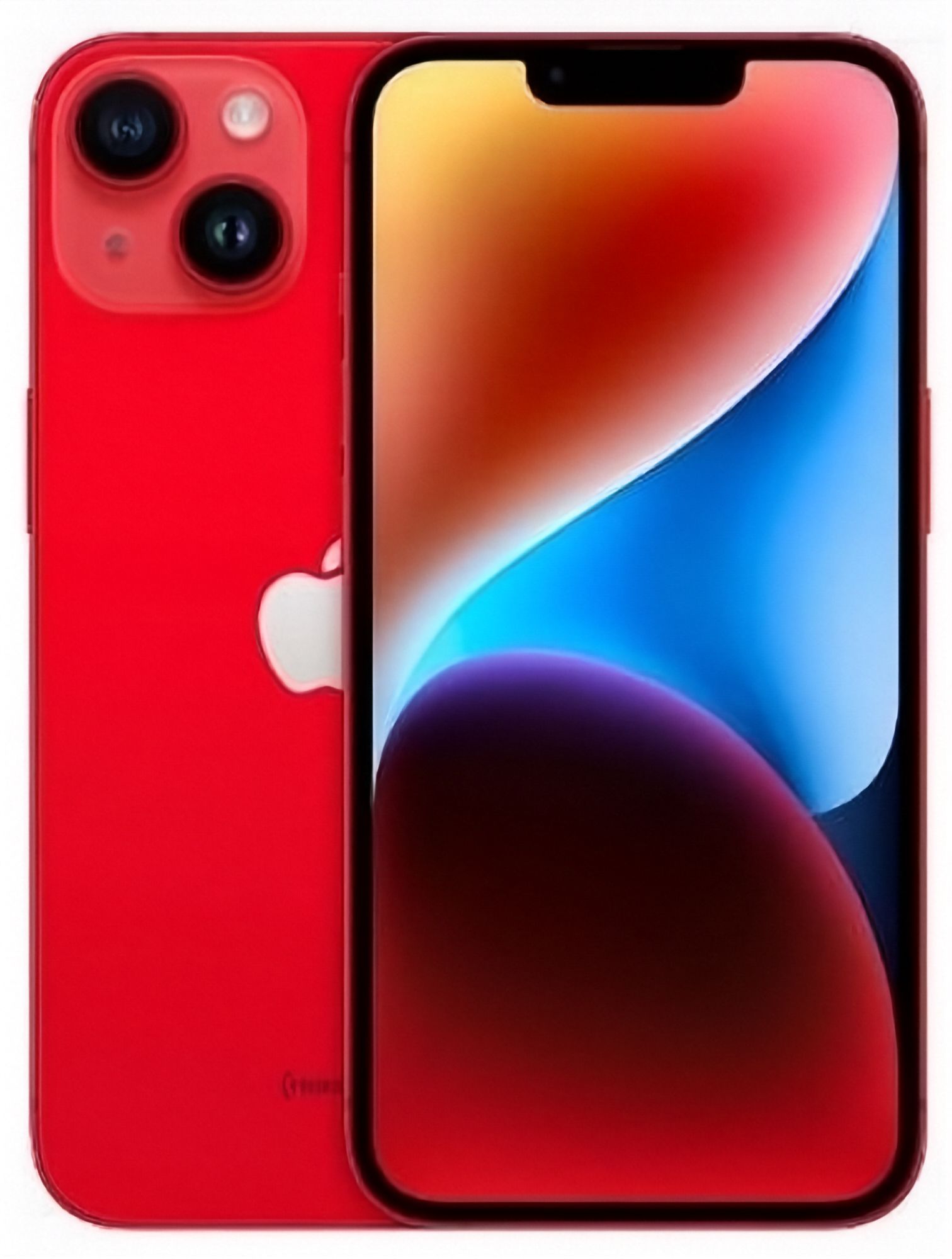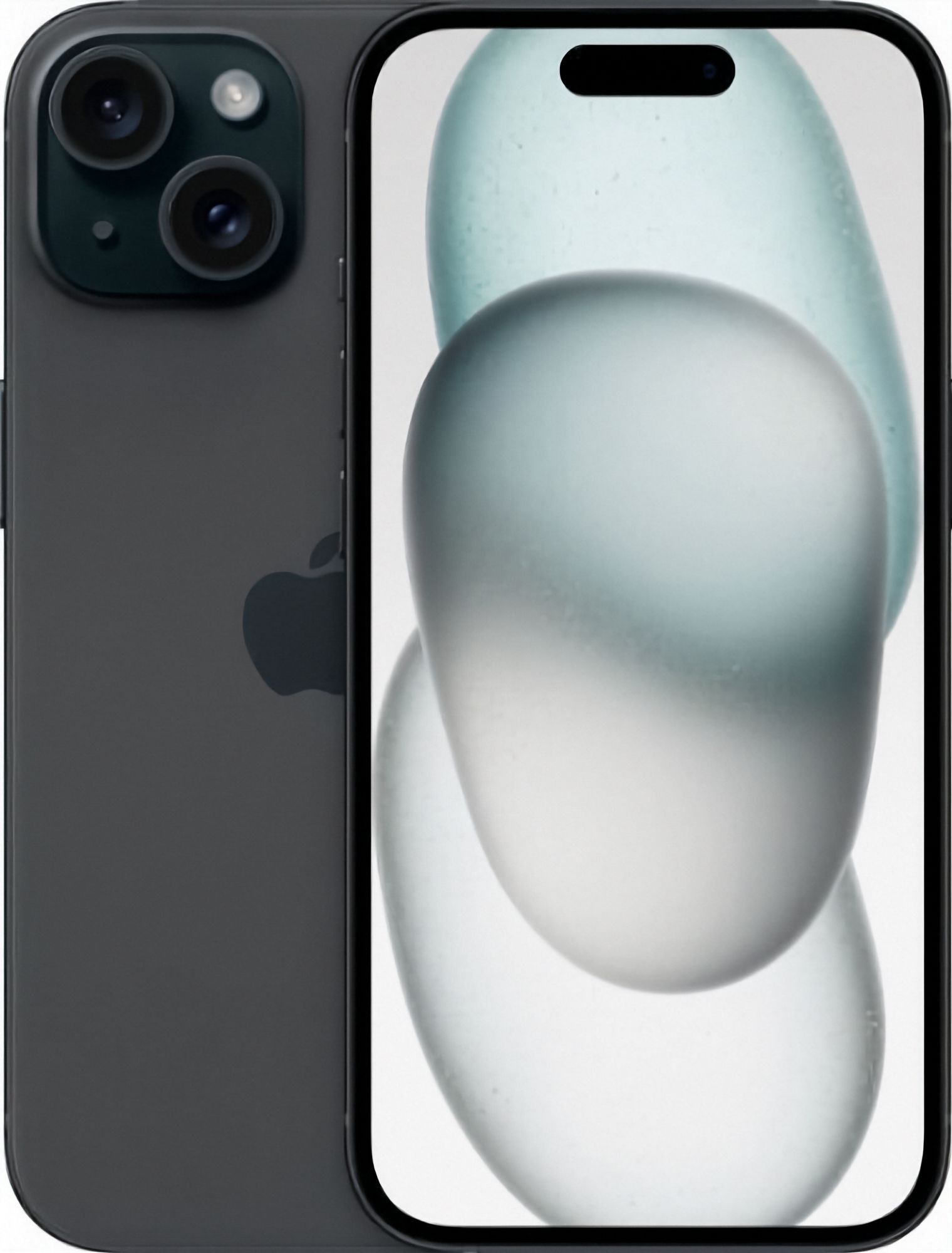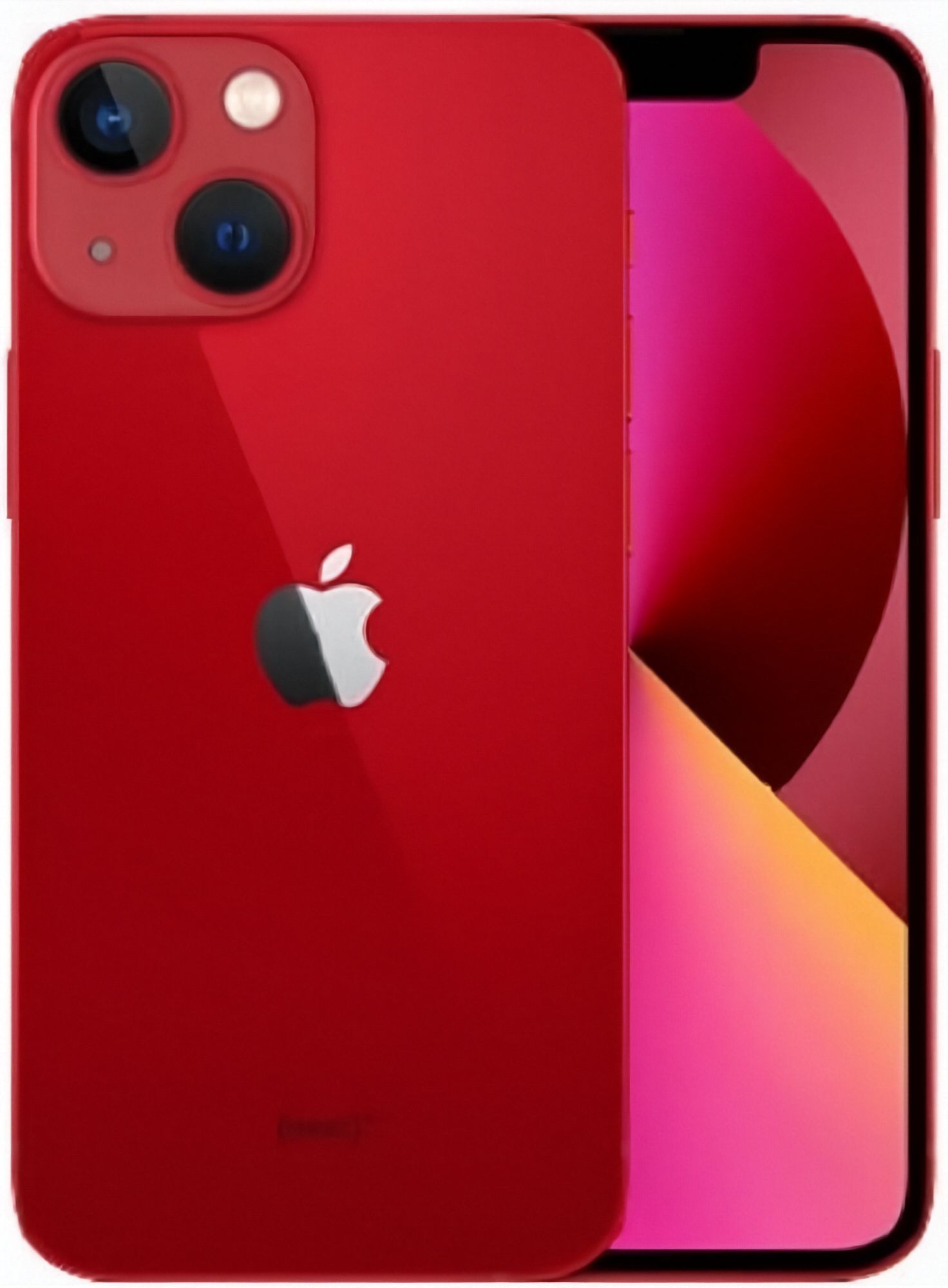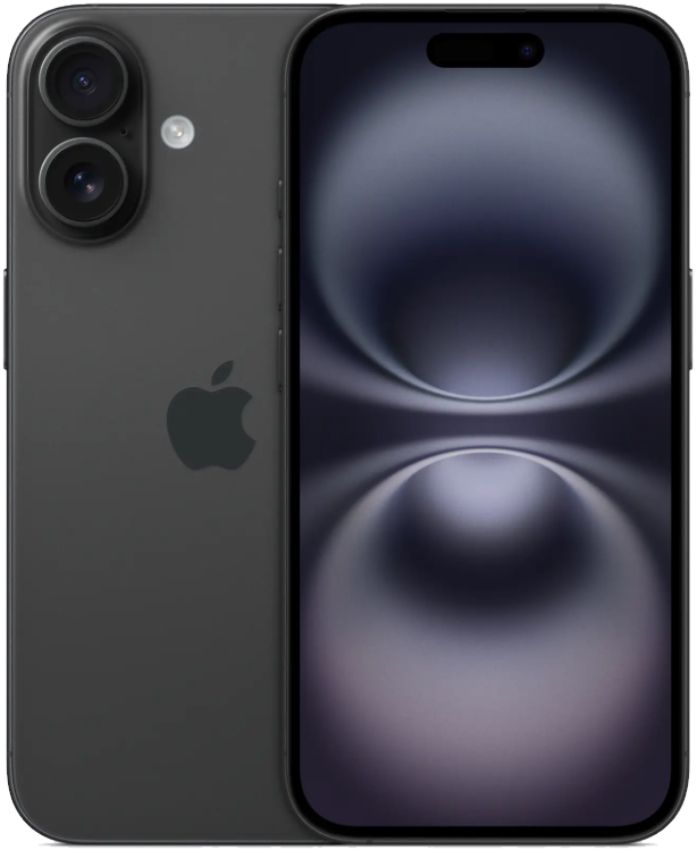
Picking a refurbished iPhone, you will see two variants of almost every generation: the standard model and the Pro, usually with a Pro Max beside it. On the second-hand market they sit at different prices, and the gap narrows as the models age. So does the Pro badge actually buy you something you will notice in daily use? Here is what really changes between the two lines, and where the extra money is worth spending.
What does an iPhone Pro actually add over the standard model?
Apple splits its lineup the same way year after year. The standard iPhone gets the current chip design, a very good main camera and a lighter aluminium body. The Pro adds a second tier of hardware on top of that:
- A telephoto camera. Pro models carry a dedicated telephoto lens — the optical zoom level varies by generation and size (check Apple's compare page) — so you can frame a portrait or a far-off subject without cropping into the main sensor. The Pro line also gets a LiDAR scanner for faster low-light autofocus, which standard models do not have.
- A faster screen. From the iPhone 13 Pro onward, Pro models use Apple's ProMotion display, which refreshes up to 120 times a second and can also slow down to save power. Scrolling and animation look visibly smoother than on the 60Hz panel of standard models up to the iPhone 16 (the standard iPhone 17 gained ProMotion too). Earlier Pros, including the iPhone 12 Pro, still have a standard 60Hz screen.
- Design-era markers. The iPhone 14 Pro introduced the Dynamic Island cutout and the always-on display; the standard iPhone 15 gained the Dynamic Island a year later. Titanium bodies arrived with the iPhone 15 Pro. The standard iPhone 17 later gained the always-on display as well.
- Extra headroom inside. Pro chips typically carry more graphics cores, and in some generations, such as the iPhone 15 Pro, the Pro also had more memory than the standard model, which is what the newest on-device features lean on.
- The biggest battery of the generation. The Pro Max is always the longest-lasting model of its year — by case size, not by badge.
Apple keeps an official side-by-side of every model on its iPhone comparison page, which is worth a look before you decide which generation's Pro you are shopping for.
Which of those differences do you actually notice day to day?
Some of them. Not all of them.
The telephoto lens is the Pro feature people notice most — if they use it. If you photograph people, portraits with a blurred background, kids' sports from the sideline, a pet that will not sit still, the zoom lens changes what you can capture and keeps full image quality while doing it. If your camera roll is mostly documents, receipts and daylight snapshots, the standard iPhone main camera is already doing nearly all of your work and the extra lens will sit unused.
ProMotion is a strange one. Moving from a 60Hz panel to 120Hz looks revelatory for the first week, and many people stop consciously seeing it after that. But going back to a 60Hz screen afterwards feels dated to most users, and if you spend hours a day scrolling, it is a genuine quality-of-life feature. If your phone is mostly calls, messages and maps, you can safely ignore it.
The titanium body and the Dynamic Island are identity more than utility. A Pro Max in your pocket is heavier than a standard model in a way you feel all day, which partly cancels the premium feel you paid for. And the faster chip is faster on paper, but chat apps, banking, maps and the camera app behave identically on either; the gap only shows in heavy gaming and long video exports.
Battery is where the badge misleads most often. Within one generation the Pro Max has the biggest cell, but a Pro is not automatically longer-lasting than the standard model — and in a refurbished phone, the health of the individual battery matters far more than which name is printed on the box. We sort stock by measured capacity and sell at 80%, 90% or 100% battery health; every phone we sell holds at least 80% of its original capacity. A healthy standard iPhone will comfortably outlast a worn Pro. What a refurbished phone's lifespan actually depends on is covered in our how-long guide.
Is a refurbished iPhone Pro worth the extra money?
A Pro always costs more than the standard model of its year, new and used alike. What changes with age is the size of the gap: it is widest at launch and narrows as the models age, so an older Pro can end up sitting near the price of a younger standard iPhone. That is the moment the Pro starts making sense on value alone.
Two ways to spend the difference well. First, weigh it against storage rather than badges: moving up a capacity tier on the standard model is often the better daily upgrade, and our iPhone storage guide walks through what each tier realistically holds. Second, cut what you pay instead of what you buy: a trade-in of your current phone comes straight off the total, and the process is on our trade-in page.
For live numbers we do not put figures on paper that change weekly — see current prices on the model pages, which carry stock, grades and availability as they stand today: the iPhone 13 Pro model page, the iPhone 14 Pro Max model page, and the wider iPhone 14 series collection.
Who should buy a Pro, and who should skip it?
Buy the Pro when:
- Photography is a real priority and you use zoom, or shoot portraits and evening scenes often.
- You film a lot and want the best low-light and stabilisation hardware of that generation.
- You want the longest battery of a generation, which means choosing the Pro Max size.
- You keep phones for years and want the most performance and memory headroom you can get for a budget.
Skip the Pro when:
- Your phone use is messages, maps, payments, calls and occasional photos — a standard iPhone handles all of it identically.
- You want a lighter phone; standard models are noticeably easier to live with one-handed and in a pocket.
- You want the widest choice of colours, storage tiers and grades; standard models are always the deepest pool in the refurbished market.
- The listing in front of you has a weaker battery tier or lower grade than a standard alternative. In the second-hand market that comparison beats the model name every time: battery tier first, grade second, Pro or not third.
If you are looking at the newest generations on either side of the split, our iPhone 15 buying guide covers what that generation changed for both lines.
What should you check when a refurbished Pro arrives?
Every EcoLoop phone is tested and graded in Auckland, but give any arriving iPhone ten minutes before you commit it to daily use. Confirm the battery tier shown in Settings matches the listing, drag an app icon slowly into every corner and along every edge of the screen, test every rear camera (Pro models have three), the zoom, the flash, the speakers and a call on speaker, and check the phone starts at the welcome screen with no previous owner's Apple ID attached. If it asks for a stranger's account, our Activation Lock guide explains what that means and what to do next.
Remember that grade describes cosmetics only: a Good-grade Pro has passed the same functional checks as a Like New one, and every grade ships with a 12-month warranty and 15-day returns, with free NZ-wide delivery on every order. What each grade looks like in the hand is spelled out in the condition guide, and the FAQ covers shipping and the rest. For your consumer rights in New Zealand, plain-English guidance lives with the government's Consumer Protection site.