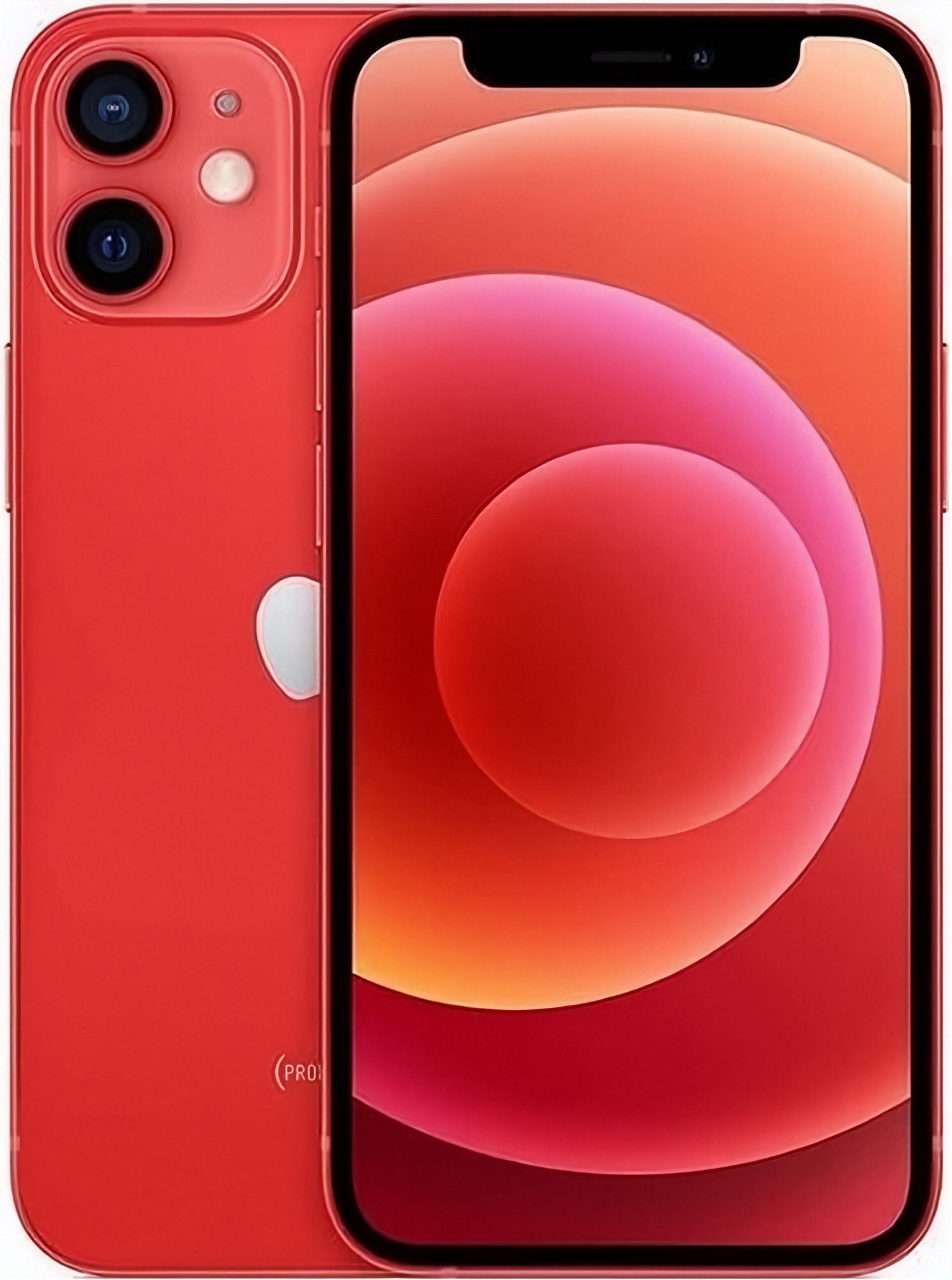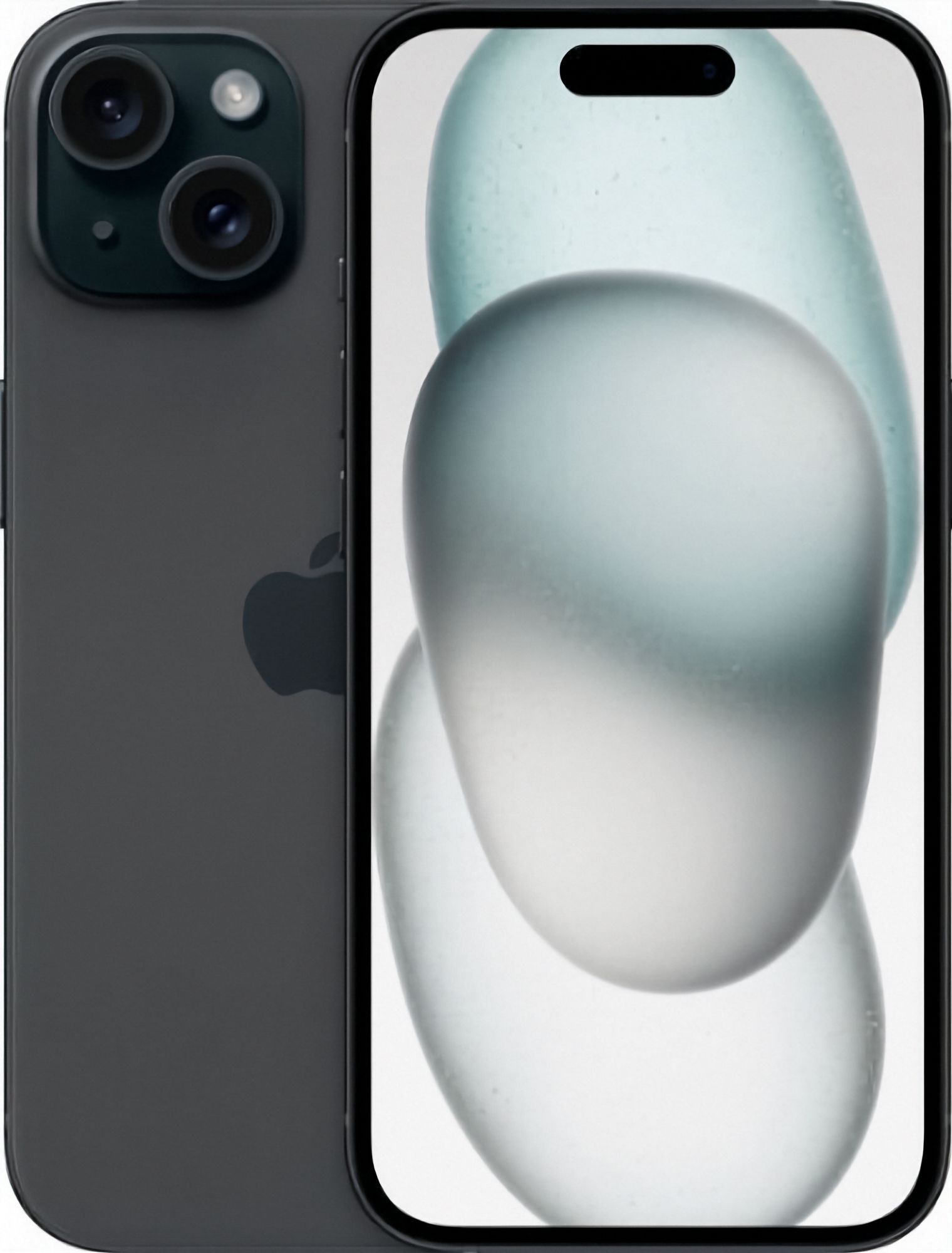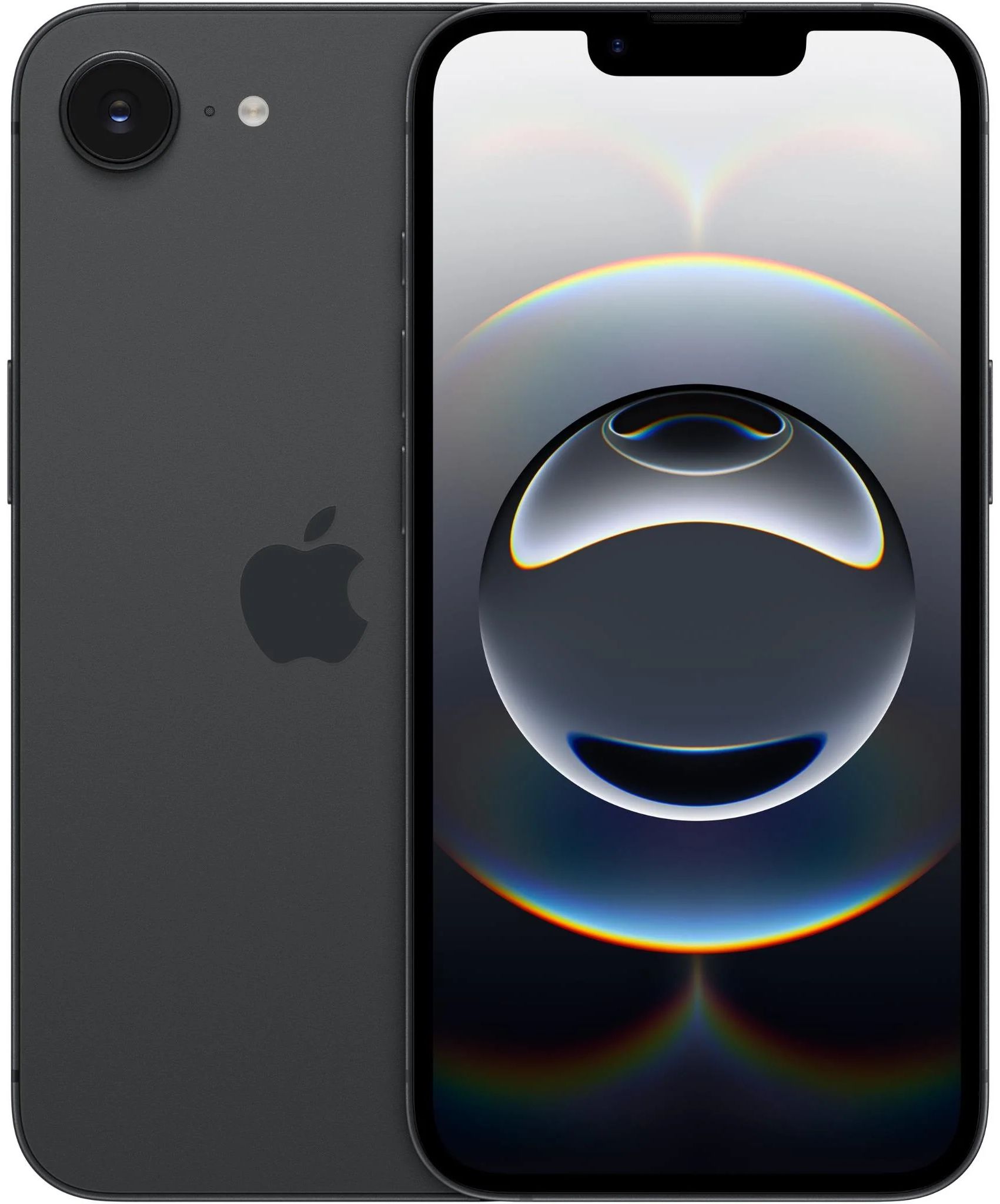
The iPhone 16e occupies an odd corner of Apple's range: flagship-class performance in a body that hands back some of the polish. That combination makes it one of the more interesting second-hand buys in NZ right now, for a particular kind of buyer. This guide covers the specs that matter once a phone is out of its box, what the 16e gives up next to a standard iPhone 16, and exactly what to inspect before committing to one unit from the refurbished iPhone collection.
What is the iPhone 16e, and where does it sit in Apple's range?
Apple released the 16e in 2025 as the entry point to the 16 generation — the role the old iPhone SE line used to fill, but with a modern screen and current internals rather than a recycled body. The short specification: an A18 chip from the same family as the iPhone 16's; 8GB of memory, enough for Apple Intelligence; a 6.1-inch OLED display; a single 48MP rear camera; Face ID; USB-C charging and Qi wireless charging (no MagSafe); and the Action button (but not the Camera Control button found on the iPhone 16). Storage comes in 128GB, 256GB and 512GB steps, there is no memory-card slot, and SIM support follows the unit's original sale region: NZ-market units take a nano-SIM plus eSIM, while units originally sold in the US are eSIM-only with no SIM tray. Apple's official iPhone pages carry the complete spec sheet.
Read that list and the strategy is obvious: Apple kept the parts you notice every time you unlock the phone — the chip, the screen quality, Face ID — and trimmed the parts that mostly show up in comparison tables. A second camera, MagSafe, the Camera Control button, the Dynamic Island and the brightest screen mode all live on the more expensive models. For a buyer who is not chasing features, that trade works, and it is why second-hand 16e stock holds attention while older, slower iPhones flood the market.
Which iPhone 16e specs actually matter when buying second-hand?
Four things decide whether a used 16e is a good purchase. Everything else is decoration.
The chip is the whole point. The A18 is the reason the 16e deserves a look at all. It is the same A18 chip family as the iPhone 16 (the 16e version has one fewer GPU core), which means current apps, camera processing and Apple Intelligence run natively, and the support runway stays long. A cheaper older iPhone saves money now but ages faster; How Long Should a Refurbished Phone Last? looks at how chip generation maps to real-world longevity.
Battery health, measured rather than promised. Ask for the number, not a reassurance. EcoLoop grades stock into 80%, 90% or 100% battery health and every phone we sell holds at least 80% of its original capacity; Refurbished Phone Battery Health in NZ: What 80%+ Means explains how the tiers work and how to read a battery report before you pay.
Storage you cannot add later. The 16e starts at 128GB with no card slot, so the capacity you choose is the capacity you are stuck with. Photos, messages and offline video eat space faster than most people expect — iPhone Storage: 64GB vs 128GB vs 256GB helps you size it properly.
Cosmetic grade. Scratches and dents are the easiest thing to accept and the most expensive thing to regret. The condition guide and What Do "Good", "Very Good" and "Like New" Actually Mean? spell out where each grade sits and what it looks like in person.
What does the 16e give up compared with an iPhone 16?
Next to a standard iPhone 16, the 16e is down one camera (the 48MP main stays, the ultra-wide is gone), MagSafe (it supports Qi wireless charging instead), the Camera Control button, one screen feature (the older notch instead of the Dynamic Island, and a slightly dimmer panel) and one marketing badge — but the A18 chip family is the same (the 16e version has one fewer GPU core). The same A18 runs the same software, Face ID is unchanged, USB-C is present, and IP68 dust-and-water sealing is the same on paper, though IP67 vs IP68: Are Older Phones Still Waterproof? makes the fair point that sealing is a factory condition and weakens with age and after repairs.
The decision is simple. If you rarely use the ultra-wide lens and the Dynamic Island is invisible to you, the 16e delivers the daily iPhone 16 experience at a lower risk to your bank balance. If you shoot wide landscapes constantly or you want the newest screen treatment, the extra for a 16 is real — the Best Refurbished iPhones to Buy guide shows where each model sits in the used market. Most complaints about the 16e are about the extras it lacks, not about how fast it is; the A18 keeps it quick for years.
Does the 16e use a SIM card or eSIM in NZ?
It depends on where the unit was originally sold. NZ-market 16e units carry a nano-SIM tray and also support eSIM, so you can drop a physical card straight in, or activate an eSIM with a QR code from your carrier or an in-app transfer. Units originally sold in the United States are eSIM-only with no SIM tray, and activate through that same eSIM flow. Spark, One NZ and 2degrees all run eSIM plans, and moving a number from an old iPhone to a new one is standard procedure on all three networks — the same flow we walked through for the US eSIM-only iPhone 14 in this setup guide. Because the two variants differ physically, check the listing for the unit's original sale region before assuming either way.
Two edge cases before you commit. The travel caveat applies only to US imports: on a US eSIM-only unit a physical travel SIM bought at an overseas airport cannot go in, so if you travel often, arrange an eSIM data plan before you fly, while on a NZ-market unit the travel card simply goes in the tray. And a handful of older prepaid plans still assume a physical card — worth confirming with your carrier before purchase, especially on an imported unit. Network locking is a separate question from eSIM: Are Refurbished Phones Unlocked? Network Locks in NZ explains how to confirm a unit will accept any carrier.
What should you check before you buy a second-hand 16e?
A clean 16e passes five checks:
- Battery report — a measured capacity figure that matches one of the published tiers: 80%, 90% or 100% battery health.
- Account locks cleared — Activation Lock must be off the previous owner's Apple ID before the phone is truly yours; Remove Activation Lock and FRP Before You Sell or Trade In covers the buyer side of that handover.
- Grade stated in writing — battery tier plus cosmetic condition on the listing itself, not in a private message.
- Storage confirmed on the device — Settings showing the advertised 128GB, 256GB or 512GB.
- SIM type confirmed — whether the unit has a nano-SIM tray or is a US eSIM-only model, and that activation works on your carrier.
Buying from a refurbisher rather than a private seller is what makes those checks routine. Every EcoLoop device is tested and graded in Auckland, listed with its battery tier and grade, and backed by a 12-month warranty with free NZ-wide delivery. If the phone is not right when it arrives, you have a 15-day change-of-mind window, and the returns page has the steps.
Who should buy a refurbished iPhone 16e?
The 16e fits people who want a current-generation iPhone experience — speed, Apple Intelligence, a long runway of remaining support — without paying for camera and screen extras they will not use. It is a strong first iPhone, a sensible upgrade from an iPhone 11 or 12 era handset, and a good match for a student on a budget; Buying a Phone for a Teenager covers what matters when the buyer is younger.
Skip it if the ultra-wide camera, MagSafe, the Camera Control button, the Dynamic Island or the brightest screen mode sit on your must-have list — those are exactly the parts Apple trimmed, and for those people an iPhone 16 is worth the difference.
Prices on second-hand 16e stock move with supply, so rather than trusting any number quoted on the internet, see current prices on the refurbished iPhone collection, where each unit is listed with its grade and battery tier. If you are handing over an old phone as part of the deal, get your quote on the trade-in page first. And buying second-hand never shrinks your consumer rights — consumerprotection.govt.nz explains them in plain language, and the FAQ shows how our process maps onto them.
In stock now: iPhones
Live prices from our current stock — updated automatically. Every device includes a 12-month warranty and free NZ-wide shipping.
- Apple iPhone SE (2022) — from NZ$293.00
- Apple iPhone 12 mini — from NZ$398.00
- Apple iPhone 12 — from NZ$448.00
- Apple iPhone 13 mini — from NZ$557.00
- Apple iPhone 13 — from NZ$569.15
- Apple iPhone 14 — from NZ$668.00
- Apple iPhone 13 Pro — from NZ$674.00
- Apple iPhone 14 Plus — from NZ$688.00